
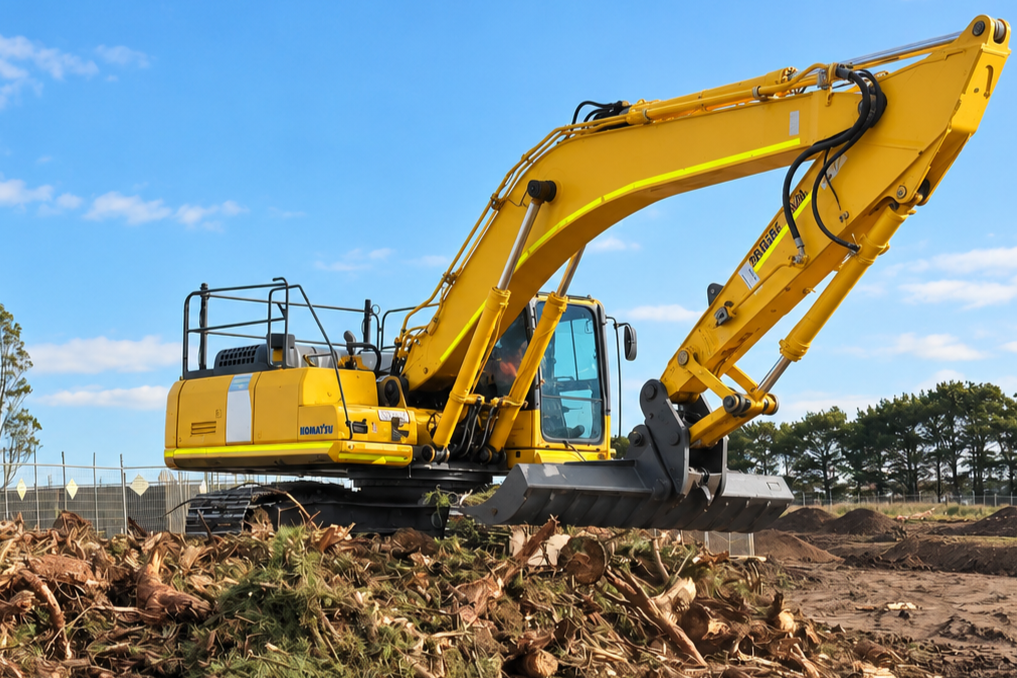
Vegetation Slashing Preparing Melbourne
As bushfire season approaches, preparing properties for increased fire risk becomes an important responsibility for property owners, land managers, commercial operators and rural communities across Melbourne and surrounding Victoria. Dry grass, overgrown vegetation, unmanaged paddocks and dense roadside growth can contribute to fire hazards, particularly during periods of hot weather, strong winds and prolonged dry conditions. While vegetation is essential for maintaining healthy landscapes and supporting local ecosystems, uncontrolled growth around buildings, access roads and property boundaries can create additional challenges during bushfire season. Effective vegetation management helps reduce these risks by controlling excessive plant growth and maintaining safer outdoor environments. Vegetation slashing is one of the practical land management methods that can help properties prepare for the warmer months while improving accessibility and overall site conditions. At NGE Group, we understand the importance of proactive vegetation management and how professional slashing services can support property owners in preparing their land for changing seasonal conditions.
Understanding the Bushfire Risks Associated with Unmanaged Vegetation
Unmanaged vegetation can become a significant fire hazard when grass, weeds, dry leaves and other combustible materials accumulate across a property. During summer, these materials can dry out quickly, creating fuel that may allow fires to spread through open areas. Properties with large paddocks, roadside vegetation, vacant land and overgrown boundaries can be particularly challenging to maintain without a consistent vegetation management approach. Even smaller residential and commercial properties may experience increased fire exposure when dry vegetation is allowed to grow close to structures, fences and other infrastructure. Strong winds can also carry embers into areas where dry grass and accumulated vegetation provide additional fuel. Understanding these risks allows property owners to take preventative measures before fire danger increases. Regular vegetation inspections and appropriate land maintenance can help identify problem areas early and reduce the amount of unmanaged growth across the property.
What Is Vegetation Slashing and How Does It Work?
Vegetation slashing is a land management technique that involves cutting down excessive grass, weeds, scrub and other low-growing vegetation using specialised machinery. It is commonly used across rural properties, commercial developments, vacant blocks, roadsides and large open spaces where manual vegetation removal would be time-consuming or impractical. Depending on the site conditions, professional operators use suitable slashing equipment to manage vegetation across different terrain types and property sizes. The process helps control excessive plant growth, improve ground visibility and maintain more accessible outdoor areas. Slashing can also help prevent certain areas from becoming heavily overgrown during periods of rapid vegetation growth. However, it is important to understand that slashing does not remove all combustible material, particularly when cut vegetation remains on the ground and dries out. For this reason, vegetation management should be planned carefully, with appropriate consideration given to removing or managing accumulated green waste and maintaining suitable ground conditions.
Reducing Available Fuel Around Buildings and Infrastructure
One of the key benefits of vegetation slashing is its role in helping property owners manage potential fuel sources around buildings and infrastructure. Tall dry grass and excessive weeds can create continuous pathways through which fire may spread across open land. When vegetation is managed appropriately, these pathways can be interrupted, helping reduce the amount of unmanaged growth surrounding important areas. Property owners should pay particular attention to vegetation near sheds, workshops, storage facilities, access points, boundary fences and other structures. Maintaining these areas can improve overall site preparedness and support other bushfire risk reduction measures. It is also important to recognise that slashing alone does not guarantee protection from bushfires, as embers can travel significant distances and ignite combustible materials. Combining vegetation slashing with appropriate clearance, green waste management and property maintenance creates a more comprehensive approach to reducing potential fire hazards.
Creating and Maintaining Effective Fire Breaks
Fire breaks are an important consideration when preparing properties for bushfire season, particularly for larger rural blocks, agricultural land and properties located near grasslands or bushland. These areas are designed to reduce or interrupt the continuous availability of vegetation that can contribute to fire spread. Slashing can help establish and maintain these breaks by reducing grass height and controlling low-growing vegetation along selected property boundaries and access routes. The width and placement of a fire break should depend on the property's layout, surrounding vegetation, terrain and potential fire exposure. The Country Fire Authority (CFA) recommends considering strategic fuel breaks, with narrow breaks of approximately three to five metres potentially helping slow grassfires and wider perimeter breaks being relevant for some rural properties. Regular inspections are also important because vegetation can regrow quickly, particularly following periods of rainfall. A well-planned slashing program helps property owners maintain these areas throughout the year rather than waiting until bushfire season is approaching.
Improving Access for Emergency and Maintenance Vehicles
Property accessibility is another important factor in bushfire preparedness, especially for large properties with long driveways, internal tracks, paddock entrances and service roads. Overgrown grass, weeds and roadside vegetation can restrict visibility and make it difficult for vehicles to move safely through certain areas. Vegetation slashing helps maintain clearer access routes by controlling excessive growth along pathways and around important entry points. This can support routine property maintenance while helping ensure that access areas remain more manageable during emergency situations. For rural and commercial properties, maintaining clear routes around sheds, water tanks, equipment storage areas and other important infrastructure can also improve general site accessibility. Property owners should regularly inspect these routes to identify sections where vegetation is beginning to obstruct movement or visibility. Professional slashing services can help maintain larger access networks efficiently, particularly where manual trimming would require considerable time and labour.
Why Timing Matters When Planning Vegetation Slashing
The timing of vegetation slashing can significantly influence how effectively a property is prepared for bushfire season. Leaving vegetation management until the hottest months can create unnecessary pressure, especially when large areas require attention and suitable working conditions become more limited. Preparing properties during the cooler months and early spring provides additional time to assess vegetation growth, identify high-risk areas and organise appropriate maintenance. However, seasonal rainfall can encourage rapid grass and weed growth, meaning some properties may require additional slashing before summer. The CFA recommends beginning property preparation before bushfire season and maintaining lawns and vegetation throughout the fire season. Property owners should also understand that machinery operations can present ignition risks when working around dry grass and other combustible materials. Checking local fire restrictions, weather conditions and equipment requirements before scheduling slashing work is therefore essential.
Managing Different Types of Melbourne Properties
Vegetation management requirements can vary considerably depending on the type, size and location of a property. Residential blocks may require attention around garden boundaries, sheds, driveways and sections of longer grass that are difficult to maintain using standard lawn equipment. Commercial properties often have larger outdoor areas, storage facilities, perimeter fencing and access roads that require more extensive vegetation control. Rural and agricultural properties may also contain paddocks, internal tracks, unused land and boundary areas where grass and weeds can grow rapidly. Vacant development sites are another important consideration because unmanaged vegetation can accumulate while land remains unused or awaits construction. Properties located near bushland, grasslands and heavily vegetated areas may need a more detailed approach to managing potential fuel sources. Our approach at NGE Group focuses on understanding individual site requirements so vegetation management can be planned according to the property's conditions, access needs and maintenance objectives.
Supporting Environmental Management Through Responsible Slashing
Although reducing vegetation can support bushfire preparedness, land management should always consider environmental responsibilities and the importance of maintaining healthy ecosystems. Not every section of vegetation needs to be removed, as trees, shrubs and native grasses provide valuable habitats for wildlife and contribute to soil stability. Excessive or poorly planned vegetation removal can also create environmental problems, including soil disturbance, erosion and the spread of invasive weeds. Professional slashing should therefore focus on areas where vegetation management is appropriate and beneficial for property maintenance and fuel reduction. Particular care may be necessary around waterways, drainage corridors, native vegetation and environmentally sensitive sections of land. Property owners should check applicable planning controls, vegetation protection requirements and local council regulations before undertaking clearing activities. A balanced vegetation management strategy helps maintain the property's functionality while respecting the surrounding natural environment.
The Importance of Professional Vegetation Slashing Equipment
Managing extensive vegetation growth across large properties often requires specialised machinery and experienced operators. Professional slashing equipment can cover considerably larger areas than conventional gardening tools, making it a practical solution for rural land, commercial sites and vacant blocks. The appropriate machinery depends on factors such as grass height, vegetation density, ground conditions, slope and accessibility. Experienced operators can assess these conditions before selecting equipment and determining the most suitable approach for the work. Equipment maintenance is equally important because damaged machinery, overheating components and other mechanical faults can increase operational risks, particularly during dry weather. Operators should also follow relevant fire restrictions and carry suitable fire suppression equipment when required. Engaging professional vegetation management services helps property owners organise larger maintenance tasks while ensuring that equipment selection and operating conditions receive appropriate attention.
Managing Cut Vegetation and Green Waste After Slashing
An important part of vegetation management involves deciding what happens to the grass, weeds and other material left behind after slashing. Cutting down tall vegetation can improve site conditions, but leaving large quantities of dry cut material in place may still contribute to available fuel. This is particularly important around buildings, sheds, fences and other structures where combustible material should be managed carefully. Depending on the vegetation type and site requirements, cut material may need to be collected, removed, mulched or managed through another suitable method. Property owners should avoid assuming that slashing alone eliminates bushfire hazards because dry grass and loose vegetation can continue to present risks after cutting. Regular inspections help identify areas where cut material has accumulated or where new growth requires attention. The CFA also recommends removing dry grass, leaves, twigs and loose bark from around homes and managing green waste appropriately before and throughout bushfire season.
Combining Vegetation Slashing With a Wider Bushfire Preparation Strategy
Effective bushfire preparation requires more than maintaining grass height across a property. Vegetation slashing works best when included within a broader land management strategy that considers buildings, access routes, surrounding vegetation and potential ignition sources. Property owners should inspect gutters, remove accumulated leaves, manage overhanging branches and keep combustible materials away from important structures. Maintaining suitable clearances around sheds, workshops and storage facilities can also support broader fire preparedness objectives. Rural landholders may need to consider strategic grazing, weed management and the maintenance of internal access tracks alongside regular slashing activities. It is also important to develop a bushfire survival plan and understand local Fire Danger Ratings and emergency instructions. Combining these measures creates a more organised approach to property maintenance and helps address different aspects of bushfire exposure.
Common Vegetation Slashing Mistakes Property Owners Should Avoid
One common mistake is waiting until vegetation becomes excessively overgrown before arranging professional slashing services. Delayed maintenance can make the work more difficult and may allow large quantities of dry vegetation to accumulate across the property. Another mistake is focusing only on visible grass growth while overlooking boundary areas, access tracks, sheds and less frequently used sections of land. Property owners should also avoid assuming that cutting vegetation automatically removes all fire hazards, as unmanaged cut material can remain combustible. Using unsuitable machinery or operating equipment during dangerous weather conditions can create additional risks that need careful consideration. Failing to check vegetation protection requirements may also lead to unnecessary environmental damage or regulatory complications. A planned maintenance schedule, supported by regular inspections and responsible vegetation management practices, can help prevent these issues and keep properties in better condition before bushfire season.
Preparing Melbourne Properties With a Consistent Vegetation Management Plan
A consistent vegetation management plan helps property owners stay ahead of seasonal growth and avoid last-minute maintenance pressure. The first step is to assess the entire property and identify areas where excessive vegetation could affect buildings, access routes, boundaries or important infrastructure. Once these areas have been identified, property owners can determine which sections require slashing, mowing, trimming or additional vegetation removal. The frequency of maintenance should depend on grass growth, rainfall, property conditions and the level of vegetation exposure. Larger properties may benefit from scheduled inspections throughout the year, particularly after periods of significant rainfall. It is also useful to maintain records of completed work so future maintenance requirements can be planned more effectively. At NGE Group, we believe proactive vegetation management is an important part of maintaining safer, cleaner and more accessible properties across Melbourne and surrounding areas.
Book Professional Vegetation Slashing Services Before Bushfire Season
Preparing your property before bushfire season is an important investment in responsible land management and long-term site maintenance. Whether you manage a rural property, commercial development, vacant block or large outdoor area, excessive vegetation should not be left unattended as warmer and drier conditions approach. Professional slashing can help control grass growth, maintain access routes, establish suitable fuel breaks and improve the overall condition of your land. However, every property has different requirements, and vegetation management should always consider local conditions, environmental responsibilities and applicable fire restrictions. Our team at NGE Group is committed to helping property owners manage overgrown vegetation through practical and reliable slashing solutions. We understand the importance of timely property maintenance and the value of taking preventative action before seasonal conditions become more challenging. Contact us today to discuss your vegetation slashing requirements and arrange a suitable solution for your Melbourne property. Let us help you keep your land maintained, accessible and better prepared for the approaching bushfire season.
