
What Melbourne Tree Removal Contractors Assess Before Bringing Equipment Onto a Site
Understanding the Site Before Work Begins
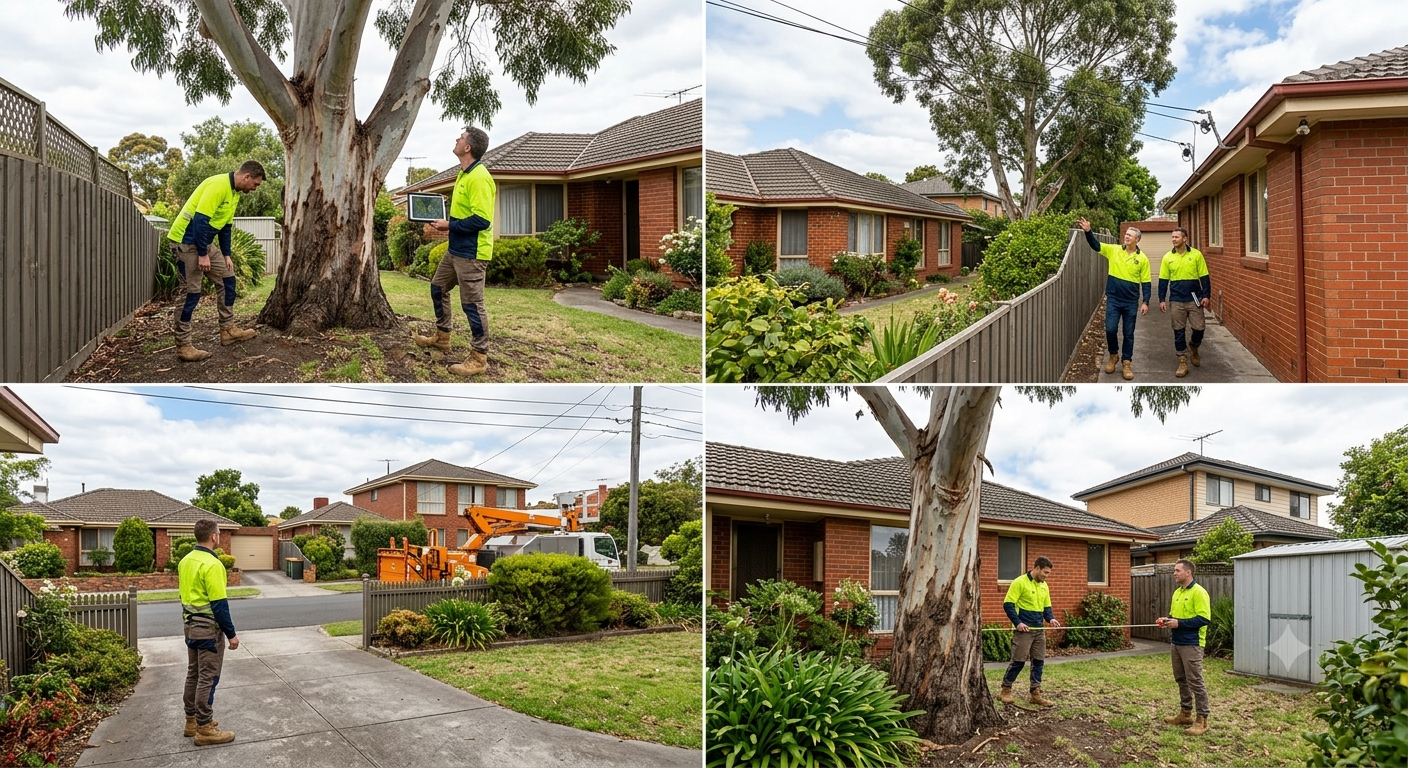
Tree removal is rarely as simple as bringing machinery to a property and beginning work. Before equipment arrives, contractors need to understand the site conditions, access limitations, surrounding structures, and potential hazards. In Melbourne, residential, commercial, and construction sites can present very different challenges depending on their location and layout. We begin by assessing the property carefully so the equipment selected is appropriate for the work and the available working space. This early assessment helps reduce unnecessary disruption while supporting safer and more organised operations. Proper planning also allows the crew to identify potential issues before machinery is transported to the site.
Assessing Tree Size and Condition
The size and condition of the tree influence almost every decision made before removal equipment is selected. Contractors examine the tree's height, trunk diameter, branch structure, lean, root conditions, and general stability. Dead branches, cavities, decay, storm damage, or structural weaknesses can create additional hazards during cutting and removal. We consider these factors when determining whether specialised equipment or additional controls may be required. A tree that appears straightforward from a distance may require a completely different approach after a closer inspection. Understanding the tree's physical condition helps establish an appropriate removal method before machinery enters the property.
Checking Site Access
Equipment access is one of the most important considerations before tree removal begins. Contractors need to determine whether trucks, loaders, elevated work platforms, chippers, cranes, or other machinery can safely reach the required work area. Narrow driveways, gates, fences, retaining walls, parked vehicles, garden structures, and neighbouring properties can restrict available access. We assess entry points, turning areas, ground clearance, overhead obstructions, and the route equipment will need to follow. Measurements may be necessary when the available access is particularly tight or when larger machinery is being considered. This assessment helps prevent situations where equipment reaches the property but cannot safely reach the work location.
Evaluating Ground Conditions
Ground conditions can significantly affect how heavy equipment operates on a Melbourne site. Contractors assess whether the ground is level, stable, compacted, wet, sloped, or vulnerable to damage from concentrated equipment loads. Soft soil can create traction and stability problems, particularly after periods of heavy rainfall. We also consider surfaces such as concrete, paving, asphalt, landscaped areas, and established gardens before positioning machinery. Protective measures may be required where equipment could damage sensitive surfaces or vegetation. Understanding ground conditions helps the crew determine suitable equipment positioning and operating procedures.
Identifying Overhead Hazards
The space above a work area can be just as important as the space on the ground. Contractors inspect for overhead powerlines, communication cables, branches, structures, lighting, signs, and other potential obstructions. Equipment such as elevated platforms and cranes can require considerable vertical and horizontal clearance during operation. We identify these hazards before machinery arrives so the work plan can account for the available operating envelope. Electrical infrastructure receives particular attention because working near powerlines can introduce serious safety risks. A detailed overhead assessment helps establish safer equipment movements and reduces the likelihood of unexpected interference during removal work.
Considering Nearby Structures
Tree removal often takes place close to buildings, garages, sheds, fences, roads, pathways, pools, retaining walls, and other structures. Contractors need to understand how the tree's position relates to these assets before deciding how sections of the tree can be lowered or removed. The direction of the tree's lean, branch distribution, available drop zones, and surrounding obstacles can all influence the removal strategy. We assess nearby structures to determine whether equipment can be positioned without creating unnecessary risks or access problems. In some situations, controlled dismantling may be more appropriate than allowing larger sections to fall freely. Careful consideration of surrounding structures helps protect property while supporting an efficient work sequence.
Reviewing Traffic and Pedestrian Conditions
Commercial properties and sites near roads may require additional planning before tree removal equipment is brought onto the property. Contractors consider vehicle movements, pedestrian access, public footpaths, neighbouring properties, and other activities that could interact with the work area. Machinery may need to enter or leave the site through areas where other vehicles and pedestrians are regularly present. We assess these movements as part of the site preparation process so equipment operations can be coordinated with surrounding activity. Temporary exclusion zones or controlled access arrangements may be required depending on the location and scope of the work. Planning these interactions before equipment arrives helps reduce conflicts and supports safer site management.
Determining Equipment Requirements
Not every tree removal project requires the same type or size of machinery. Contractors select equipment according to factors such as tree dimensions, access, terrain, surrounding infrastructure, material handling requirements, and the planned removal method. Smaller sites may require compact machinery, while larger or more complex projects may require specialised equipment capable of handling substantial timber and vegetation. We review the complete site assessment before determining which equipment is suitable for the planned work. Choosing equipment based only on tree size can create problems if access or ground conditions do not support its operation. The objective is to match machinery capability with actual site requirements.
Planning Equipment Positioning
Where equipment is positioned can influence both safety and productivity during tree removal. Contractors determine where machinery can be parked or operated while maintaining suitable clearance from structures, workers, utilities, and unstable ground. Positioning also needs to account for the movement of removed branches, timber, and other vegetation through the work area. We consider equipment positioning as part of the overall sequence rather than treating it as a separate task. This allows the crew to establish practical working zones before machinery arrives. Good positioning can also reduce unnecessary machine movements and make material handling more efficient.
Assessing Environmental Conditions
Weather and environmental conditions can influence whether equipment can safely operate on a particular site. Rain can change soil stability, wind can affect tree movement, and extreme conditions can create additional risks for elevated work or controlled dismantling. Contractors consider current conditions as well as how the site may respond during the planned work period. We take environmental conditions into account when reviewing equipment access, ground stability, and the removal sequence. Seasonal conditions can also affect landscaped areas and other sensitive parts of a property. This assessment allows site preparation to reflect the actual conditions rather than relying solely on an initial visual inspection.
Considering Waste and Material Handling
Removing a tree creates a significant volume of branches, leaves, logs, and other organic material that needs to be managed efficiently. Contractors assess where this material can be processed, stored, loaded, or removed from the property. Equipment such as chippers, loaders, trailers, and trucks may need to work together as part of the removal process. We consider the available space for material handling before deciding how machinery should enter and operate on the site. Efficient material movement can prevent unnecessary accumulation around the work area and keep access routes clearer. Planning waste handling in advance also helps the overall project progress in an organised manner.
Reviewing Property and Access Restrictions
Every property can have restrictions that influence equipment access and site operations. These may include narrow entrances, shared driveways, body corporate requirements, underground services, landscaped areas, or restrictions associated with neighbouring properties. Contractors need to understand these conditions before transporting heavy equipment to the site. We review available access and property limitations so the planned machinery can be introduced without creating avoidable complications. Where necessary, access arrangements can be discussed before work begins rather than being resolved after equipment has already arrived. This approach supports better coordination between the contractor, property owner, and other parties involved in the project.
Planning Around Underground Services
What lies beneath the ground can be an important consideration when heavy equipment is being positioned or operated. Contractors may need to consider underground utilities, drainage infrastructure, irrigation systems, underground tanks, and other buried assets. The location of these services can influence where machinery travels, parks, or performs specific operations. We include available information about underground infrastructure in the site assessment whenever it is relevant to the planned work. This helps the crew avoid treating the visible surface as the only factor affecting equipment placement. Understanding subsurface conditions contributes to more informed site planning and property protection.
Establishing a Safe Work Area
Before equipment arrives, contractors need to establish how the working area will be separated from people and unrelated activities. The required controls depend on the location, tree characteristics, equipment being used, and surrounding environment. We assess where workers, equipment, pedestrians, vehicles, and property boundaries interact so suitable working zones can be established. Clear planning helps reduce unexpected movement through areas where tree removal activities are taking place. It also gives the crew a clearer understanding of where machinery can operate and where access should be restricted. A well-planned work area provides an important foundation for carrying out the removal process in a controlled manner.
Matching Planning With Melbourne Conditions
Melbourne properties can vary considerably between established residential neighbourhoods, commercial areas, construction sites, industrial properties, and larger landholdings. Older suburbs may have mature trees, narrow access points, established gardens, and buildings positioned close to property boundaries. Newer developments may provide different access conditions but can still present challenges involving construction activity, soil conditions, utilities, and surrounding infrastructure. We consider the specific characteristics of each Melbourne site rather than relying on a standard equipment approach. Local site conditions can influence everything from machinery selection to access planning and material removal. This site-specific approach helps ensure the equipment brought to the property is suitable for the actual working environment.
Why Equipment Planning Matters
Bringing the wrong equipment to a tree removal site can create delays, additional handling requirements, and unnecessary disruption. A machine may have sufficient lifting or processing capacity but still be unsuitable because of restricted access, unstable ground, or nearby infrastructure. Contractors therefore need to consider the complete operating environment before equipment is mobilised. We use the initial site assessment to connect tree characteristics, access, safety considerations, ground conditions, and material handling requirements into one practical plan. This allows machinery to arrive with a clearer purpose and reduces the likelihood of avoidable changes once work has started. Thorough preparation is ultimately an important part of delivering organised tree removal work.
Preparing for Efficient Site Operations
A successful tree removal project begins well before the first piece of equipment enters the property. Contractors need to understand the tree, the land, the access route, surrounding assets, environmental conditions, and the equipment required for the planned method. We take these factors into consideration when preparing for projects across Melbourne and surrounding areas. Early assessment gives the crew an opportunity to identify constraints and establish practical solutions before mobilisation. It also helps property owners understand why equipment selection and positioning can vary significantly from one project to another. Careful preparation creates a stronger foundation for safe, controlled, and efficient tree removal operations.
