
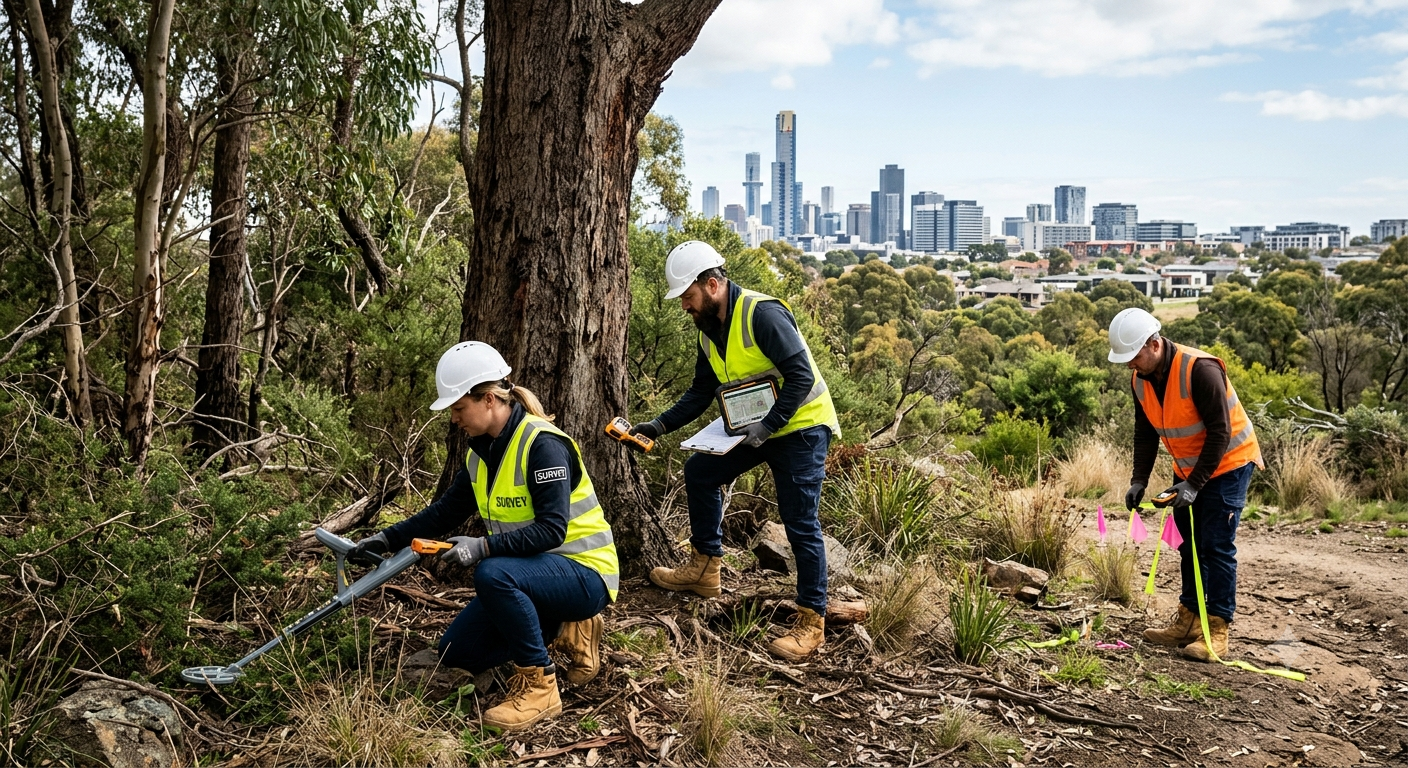
Large-scale land clearing is an important first step in many construction, infrastructure, commercial development and landscaping projects across Melbourne. Before machinery begins removing vegetation, trees, shrubs and other obstacles, it is essential to understand the condition of the site and identify any potential safety risks. While land clearing may appear to be a straightforward process, hidden hazards beneath the vegetation or within the surrounding environment can create serious challenges for workers, equipment operators and nearby properties. Uneven ground, underground services, unstable trees, concealed drainage systems and contaminated materials are just some of the issues that can affect site safety. Without proper preparation, these hazards can lead to equipment damage, workplace injuries, project delays and unexpected costs. At NGE Group, we understand that successful land clearing starts with careful planning, detailed site inspections and a proactive approach to managing potential risks before work begins.
Why Identifying Hidden Hazards Is Essential Before Land Clearing
Every land clearing site has its own conditions, challenges and potential safety concerns. A property that appears relatively clear from the surface may contain several hidden obstacles that become dangerous once heavy machinery enters the area. Previous construction activities, natural ground movement, poor drainage and years of unmanaged vegetation can all contribute to unexpected site conditions. Identifying these issues before clearing begins allows project managers to establish appropriate safety procedures and determine which equipment and techniques are suitable for the work. It also helps prevent workers from being exposed to unnecessary risks during vegetation removal, excavation and material handling. A detailed assessment provides a clearer understanding of the work involved, making it easier to organise resources, coordinate contractors and maintain safe working conditions throughout the project.
Underground Utilities and Buried Infrastructure
One of the most significant hazards associated with large-scale land clearing is the presence of underground utilities. Electricity cables, gas pipelines, water connections, telecommunications infrastructure and sewer systems may run beneath areas covered by grass, trees or thick vegetation. These services are not always visible, and relying on assumptions about their location can result in dangerous accidents during ground preparation. Accidental contact with electrical infrastructure can cause electrocution, while damage to gas pipelines may create fire, explosion or gas exposure risks. Even relatively minor damage to water or telecommunications services can result in expensive repairs and significant project interruptions. Before machinery or excavation equipment is used, we recommend arranging appropriate underground service investigations, reviewing available utility plans and obtaining relevant service location information through the appropriate authorities and Before You Dig Australia. Where necessary, professional locating equipment should be used to confirm service positions and establish suitable exclusion zones around identified infrastructure.
Unstable Trees and Overhanging Branches
Trees and large branches can present considerable safety risks during vegetation removal, particularly when dealing with mature growth, damaged trunks or trees affected by previous storms. Some trees may appear healthy from a distance but contain internal decay, weakened root systems or structural damage that is difficult to recognise without a closer inspection. Overhanging branches can also become dangerous when disturbed by machinery, changing weather conditions or nearby clearing activities. A falling tree or unexpected branch movement can seriously injure workers and damage equipment, fencing and neighbouring properties. Before clearing begins, the condition, height, lean and surrounding environment of significant trees should be assessed by appropriately qualified professionals. Particular attention should be given to trees close to buildings, overhead powerlines, roads and active work areas. Establishing controlled work zones and using suitable tree removal methods can significantly reduce the likelihood of falling vegetation creating an uncontrolled safety incident.
Hidden Ground Conditions and Uneven Terrain
Ground conditions are another important consideration before commencing large-scale land clearing in Melbourne. Areas covered by thick grass, shrubs and fallen vegetation may conceal holes, loose soil, buried debris, trenches and unstable ground surfaces. These conditions can affect the movement and stability of excavators, bulldozers, skid steers and other heavy machinery. Machinery operating on unsuitable ground may become stuck, lose traction or overturn, placing operators and nearby workers at risk. Sloping land can create additional challenges, particularly where water movement has caused soil erosion or weakened the surface. A preliminary site inspection should examine changes in ground level, drainage patterns, soil stability and areas where machinery movement may be restricted. Where necessary, additional geotechnical advice can help determine whether the ground is suitable for the intended operations. Understanding these conditions before equipment arrives allows us to plan safer machinery access routes and avoid unnecessary disruption once clearing activities are underway.
Asbestos and Other Hazardous Materials
Older properties and previously developed sites may contain hazardous materials that are not immediately visible during an initial inspection. Asbestos is a particularly important concern in Melbourne, especially on sites containing old sheds, demolished structures, fencing, roofing materials or buried construction waste. Disturbing asbestos-containing materials during vegetation removal or earthmoving can release dangerous fibres into the surrounding environment. Other potential contaminants include chemical residues, fuel storage materials, treated timber, contaminated soil and discarded industrial waste. These substances can create health risks for workers and may require specialist assessment, removal and disposal procedures. Before commencing clearing activities, available site history and previous land use should be reviewed to identify possible contamination concerns. If suspicious materials are discovered, work in the affected area should stop until the material has been appropriately assessed by competent professionals. Taking these precautions helps protect workers, neighbouring properties and the wider environment while supporting compliance with applicable workplace health and environmental requirements.
Wildlife, Nests and Protected Vegetation
Land clearing does not only involve removing unwanted vegetation. It can also disturb wildlife habitats, nesting areas and ecologically significant vegetation that may be protected under relevant Victorian regulations. Birds, possums, reptiles and other native animals can establish habitats in trees, shrubs, hollow logs and dense ground cover. These habitats may remain unnoticed until vegetation removal begins. Disturbing an occupied nest or removing a tree containing wildlife can create environmental concerns and may result in regulatory complications. Certain native vegetation may also be subject to planning controls, permit requirements or biodiversity protection measures. Before clearing begins, the site should be assessed for potential wildlife habitats, significant trees and protected vegetation. Where required, qualified ecological professionals can conduct surveys and recommend appropriate management measures. Understanding these environmental considerations early helps prevent avoidable interruptions and ensures that land clearing activities are planned responsibly.
Overhead Powerlines and Nearby Infrastructure
Overhead electrical infrastructure presents another serious hazard during large-scale land clearing, especially when tall trees and heavy machinery are involved. Excavators, cranes, elevated equipment and falling branches can come dangerously close to overhead powerlines if suitable precautions are not established. Even without direct contact, working too close to electrical infrastructure can expose workers to serious electrical risks. Other nearby infrastructure, including boundary fences, retaining walls, neighbouring buildings, public roads and pedestrian pathways, must also be considered when planning clearing operations. Machinery movement and falling vegetation can cause damage beyond the immediate work area if appropriate controls are not implemented. A thorough inspection should identify overhead services, access restrictions, nearby structures and areas requiring additional protection. Safe working distances, exclusion zones, traffic management arrangements and relevant utility coordination should be established before work begins. These measures help ensure that clearing operations can proceed without unnecessarily exposing workers or surrounding properties to danger.
Drainage Problems and Waterlogged Areas
Water movement and drainage conditions can significantly influence the safety and efficiency of land clearing projects. Melbourne properties can experience varying ground conditions due to seasonal rainfall, poorly maintained drainage systems, natural waterways and changes in surrounding land use. Low-lying sections may become waterlogged, while areas with inadequate drainage can develop soft surfaces that are unsuitable for heavy machinery. Standing water may also conceal depressions, open drains, buried structures and unstable ground. Operating equipment in these conditions can increase the likelihood of machinery becoming bogged or losing stability. Poorly planned clearing can also expose soil to erosion, allowing sediment to move into nearby drainage systems and waterways. Before starting work, the site should be assessed for natural watercourses, drainage infrastructure, surface runoff patterns and areas vulnerable to flooding. Appropriate erosion and sediment control measures should be incorporated into the project planning process to protect both the worksite and surrounding environment.
Identifying Unauthorised Access and Public Safety Risks
Large clearing sites are not always isolated from surrounding communities. Some properties may be located close to residential streets, commercial premises, public access paths or neighbouring construction projects. Unauthorised access can become a significant safety concern when heavy machinery, exposed ground, sharp materials and active clearing operations are present. Children, pedestrians, visitors and other members of the public may enter an unsecured work area without understanding the potential dangers. Poorly positioned machinery and unsecured materials can also create risks for workers moving between different sections of the property. Before work begins, access points and site boundaries should be reviewed to identify areas requiring additional protection. Temporary fencing, warning signage, controlled entry points and suitable traffic management arrangements can help prevent unauthorised access. Clear communication with neighbouring property owners and relevant stakeholders is also important, particularly when clearing activities may affect shared access routes or generate noise and dust.
Machinery Selection and Equipment-Related Hazards
Choosing the right machinery is essential for maintaining safety during large-scale land clearing operations. Different sites require different equipment depending on vegetation density, ground conditions, access limitations and the nature of the materials being removed. Using machinery that is unsuitable for the site can increase the likelihood of accidents, equipment failure and inefficient operations. For example, working with heavy excavators on unstable ground may create additional risks, while using inappropriate attachments for vegetation removal can result in uncontrolled material movement. Equipment inspections should be completed before operations commence to identify mechanical defects, damaged hydraulic components, faulty safety systems and other maintenance concerns. Operators should have the appropriate training, experience and competency for the machinery they are using. Establishing clear communication between operators, ground workers and supervisors is equally important, particularly when multiple machines are working within the same area. Proper equipment selection and operational planning help create a safer and more controlled clearing environment.
Developing a Comprehensive Site Safety Assessment
A successful land clearing project requires more than identifying individual hazards. All potential risks must be considered together so that appropriate controls can be established before work begins. A comprehensive site safety assessment should examine ground conditions, underground services, vegetation, hazardous materials, environmental restrictions, access arrangements and surrounding infrastructure. Information gathered during the assessment can be used to prepare a site-specific Safe Work Method Statement (SWMS) where required, particularly for high-risk construction work. It should also inform the development of a suitable site management plan, emergency response arrangements and machinery operating procedures. Workers and contractors need to understand the hazards relevant to their activities and know how to respond if unexpected conditions arise. Regular communication and toolbox discussions can reinforce safety expectations throughout the project. At NGE Group, we believe that effective preparation is essential for reducing uncertainty, protecting everyone involved and keeping land clearing activities organised from the beginning.
Managing Weather Conditions During Land Clearing
Weather conditions can change the safety requirements of a land clearing project, particularly when work involves large trees, exposed ground and heavy equipment. Strong winds can increase the likelihood of falling branches and unstable trees, while heavy rainfall can reduce ground stability and create slippery access routes. Hot and dry conditions may also increase dust levels and contribute to fatigue, dehydration and reduced visibility. These factors can affect equipment performance and the ability of workers to carry out their responsibilities safely. Project teams should consider weather forecasts when planning significant clearing activities and review site conditions throughout the work period. Where conditions become unsafe, activities may need to be modified, postponed or suspended until appropriate controls can be maintained. Dust suppression, suitable personal protective equipment, safe machinery access and adequate rest arrangements can further support worker safety. Taking weather conditions into account allows project managers to make informed decisions rather than relying on fixed schedules when circumstances change.
The Importance of Emergency Planning and Worker Communication
Even with thorough inspections and appropriate risk controls, unexpected situations can still occur during land clearing operations. A well-prepared emergency response plan ensures that workers understand what to do if an incident takes place. Potential emergencies may include machinery rollovers, electrical contact, falling trees, underground service damage, fire, hazardous material exposure or serious workplace injuries. Workers should know how to raise an alarm, contact emergency services, access first aid and reach designated assembly areas. Emergency access routes must remain clear, and supervisors should ensure that communication systems are suitable for the size and layout of the site. Workers and contractors should also receive relevant site inductions before entering active work areas. Regular safety briefings provide an opportunity to discuss changing site conditions, newly identified hazards and any adjustments to work procedures. Clear communication helps ensure that everyone understands their responsibilities and can respond appropriately when conditions change.
Meeting Victorian Safety and Environmental Requirements
Land clearing projects in Melbourne must consider applicable workplace health and safety obligations, environmental requirements and local planning controls. Victorian workplaces are subject to occupational health and safety legislation, including the Occupational Health and Safety Act 2004 and relevant regulations. Construction activities may also require compliance with WorkSafe Victoria guidance, particularly where high-risk work and heavy machinery are involved. Depending on the property, vegetation type and proposed activities, planning permits or other approvals may be required before clearing can commence. Environmental considerations may include native vegetation protection, wildlife management, erosion control, waste disposal and the protection of waterways. Requirements can vary depending on the local council, site classification and characteristics of the land. Reviewing these obligations before starting work helps reduce the risk of compliance issues, enforcement action and project delays. Seeking advice from the relevant authorities and qualified professionals is important whenever there is uncertainty about the approvals or safety measures required for a particular site.
Why Professional Site Preparation Makes a Difference
Professional site preparation creates a more predictable and controlled environment for large-scale land clearing projects. Experienced contractors understand that every property requires an approach based on its physical characteristics, operational requirements and potential hazards. Rather than immediately introducing machinery and beginning vegetation removal, a structured preparation process allows potential problems to be identified and addressed beforehand. This can reduce unnecessary equipment movement, minimise damage to surrounding infrastructure and improve coordination between different contractors. It also helps project managers develop realistic schedules and allocate resources more effectively. When hazards are identified early, suitable control measures can be implemented before they affect workers or interrupt operations. A well-prepared site provides a stronger foundation for subsequent construction, excavation, landscaping and infrastructure development activities. Investing in proper preparation is therefore not simply a safety measure but an important part of achieving efficient and successful project delivery.
Preparing Your Melbourne Site for Safe Land Clearing
Every successful land clearing project begins with understanding the site and recognising the risks that may not be immediately visible. From underground utilities and unstable trees to contaminated materials, uneven terrain and environmental restrictions, hidden hazards can influence every stage of the clearing process. Addressing these concerns before machinery enters the site helps create safer working conditions and reduces the likelihood of unexpected complications. Careful inspections, appropriate risk assessments, trained operators and effective communication all contribute to a more organised operation. At NGE Group, we recognise the importance of approaching land clearing with a strong focus on preparation, responsible site management and operational safety. Our aim is to help clients move forward with their projects while ensuring that important site conditions and potential risks receive the attention they deserve.
Contact Our Team for Your Land Clearing Requirements
Planning a large-scale land clearing project in Melbourne requires the right preparation, suitable equipment and a clear understanding of site-specific safety considerations. Whether you are preparing land for residential construction, commercial development, infrastructure work or a major landscaping project, addressing potential hazards early can make a significant difference to the overall process. Our team understands the importance of careful planning and responsible land clearing practices when preparing sites for their next stage of development. Get in touch with NGE Group today to discuss your upcoming project, understand your site preparation requirements and explore how we can assist with your land clearing needs. Contact our team to arrange a discussion and take the first step towards a safer, more organised and efficient site preparation process.
